How to Decorate Your Home with Natural Textures
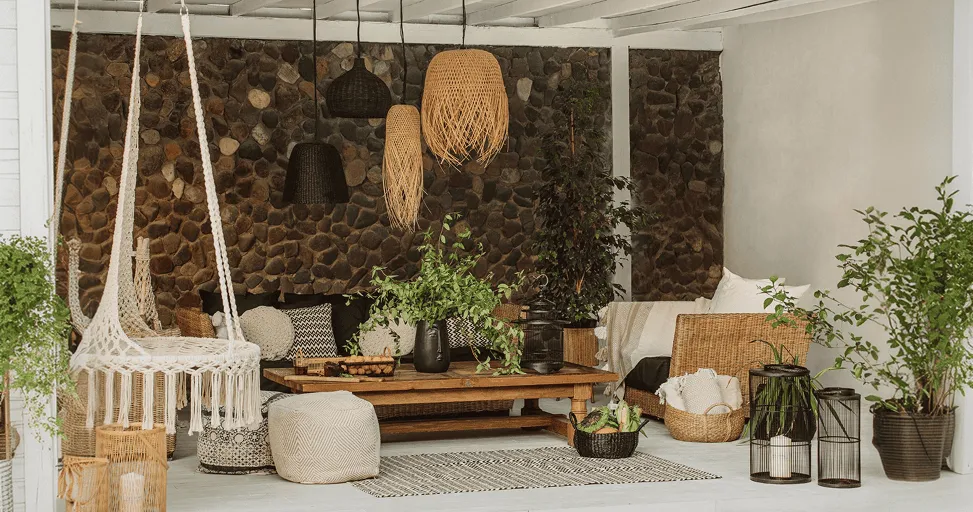
There’s something about natural materials that makes a home feel comfortable. Not necessarily expensive. Not necessarily trendy. Just comfortable.
A room with wooden furniture, woven baskets, linen curtains and a few plants feels more welcoming immediately than a room filled with shiny surfaces and manufactured materials.
That’s the beauty of natural textures. They add warmth and character and a sense of balance to a home without requiring a full-on renovation. The good news is that using natural textures in your decorating doesn’t mean your home has to look rustic or farmhouse-inspired. These materials can be used in just about any style, from contemporary apartments to traditional family homes.
I’ve noticed a lot of people are really into colors when they decorate, but not as much into texture. But texture can often be just as influential on the character of a room. A neutral room with a lot of texture can feel warm and interesting, while a colorful room with little texture can sometimes feel flat. If you want to create a home that feels relaxed, welcoming and timeless, natural textures are a great place to start.
Begin with Wood
Wood is one of the first materials that people think of when they think of natural textures. And for good reason. Wood has a way of making a space feel grounded. It adds warmth without demanding attention.
What’s interesting is that wood doesn’t have to be used in large amounts to make an impact.
Wood doesn’t need to dominate a room to make a difference. Sometimes it’s as simple as a wooden coffee table, a few open shelves, picture frames, or dining chairs. Even these smaller touches can make a space feel warmer and more inviting.
Even small wooden accents can help soften a room. I’ve seen modern spaces that felt cold and overly polished until a few wooden elements were added. Suddenly, the room felt more balanced and lived-in. The goal isn’t matching every piece perfectly. Natural wood tones often look best when they feel relaxed rather than overly coordinated.
Bring in Woven Elements
One of the easiest ways to introduce texture is through woven materials.
-
Think baskets
-
Rattan furniture
-
Woven trays
-
Natural fiber lampshades
These pieces add visual interest without making a room feel busy. I’ve always liked woven baskets because they serve two purposes at once. They’re decorative. And they’re practical.
They can hold blankets, toys, magazines, or everyday items while still contributing to the overall design of the room. It’s one of those rare home decor solutions that actually looks good and helps keep things organized.
Choose Natural Fabrics
Fabric plays a huge role in how a room feels. The interesting thing is that people often notice fabric texture without consciously realizing it.
-
Linen curtains
-
Cotton throws
-
Wool cushions
-
Textured bedding
These details quietly add depth to a space. A room filled with smooth synthetic fabrics can sometimes feel a little sterile. Natural fabrics tend to create a softer, more relaxed atmosphere. You don’t need to replace everything at once. Even adding a few linen pillow covers or a textured throw blanket can make a noticeable difference.
Layer Different Textures Together
One common decorating mistake is using only one type of texture throughout a room. The result can feel repetitive. The magic usually happens when textures are layered. For example:
-
A wooden coffee table.
-
A woven basket nearby.
-
A linen sofa cushion.
-
A soft wool throw.
-
A jute rug underneath.
None of these elements is competing with the others. They’re working together. The contrast creates interest while still feeling natural. I’ve noticed that rooms often feel more comfortable when there are multiple textures interacting rather than relying on a single material.
Add Plants for Natural Texture and Life
Plants do more than add color. They add texture, too.
-
Large leafy plants.
-
Trailing vines.
-
Small potted herbs.
Each introduces a different visual element to the room. And unlike many decorative accessories, plants bring a sense of life and movement. Even a simple plant placed in the right corner can make a room feel less static. You don’t need to turn your home into a greenhouse. A few thoughtfully placed plants can go a long way.
Natural Stone Creates Contrast
While wood and fabric add warmth, natural stone introduces a different kind of texture. Stone often feels solid, timeless, and slightly imperfect in the best possible way. You might see it in:
-
Tabletops
-
Decorative bowls
-
Vases
-
Fireplaces
-
Kitchen accents
The beauty of stone is that no two pieces are exactly alike. Those small variations help create a more authentic feel within a space. I’ve found that combining stone with softer materials like linen and wood often creates a nice balance. One brings warmth. The other brings structure.
Don’t Forget the Floor
When decorating, people often focus on furniture and walls while overlooking the floor. Yet flooring occupies a huge amount of visual space. Natural fiber rugs are one of the easiest ways to introduce texture.
Jute rugs, sisal rugs, and woven area rugs can instantly make a room feel more relaxed and connected to nature. They work particularly well in living rooms, bedrooms, and dining areas where softness and warmth are welcome. And because they’re relatively neutral, they tend to complement a wide variety of design styles.
Keep It Natural, Not Perfect
One thing I’ve noticed about natural textures is that their charm often comes from their imperfections.
-
Wood grain patterns
-
Woven fibers
-
Stone variations
-
Wrinkled linen
These aren’t flaws. They’re part of what makes natural materials appealing. Sometimes homeowners try too hard to make everything look perfectly matched and flawless. Ironically, that can remove some of the character that natural materials provide. A slightly imperfect texture often feels more authentic than something that looks manufactured. The goal isn’t perfection. It’s comfort.
Creating a Home That Feels Warm and Inviting
Decorating with natural textures isn’t about following a trend. It’s about creating spaces that feel welcoming. Spaces that encourage people to relax. Spaces that feel comfortable to live in every day. The reason natural materials remain popular year after year is that they rarely go out of style.
-
Wood still feels warm.
-
Linen still feels relaxed.
-
Woven textures still feel inviting.
-
Plants still bring life into a room.
And together, they create homes that feel lived in rather than staged. At the end of the day, that’s what most people want from their homes. Not perfection. Not a magazine cover. Just a space that feels comfortable when they walk through the door. And natural textures have a wonderful way of helping create exactly that feeling.
Recent Blogs
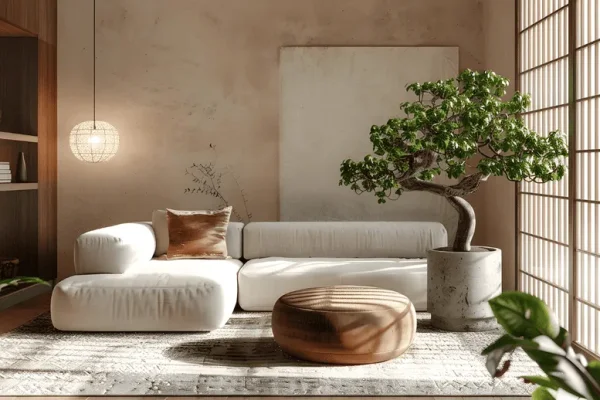
Japandi Interior Design Ideas for a Simple Luxury Look
Japandi design is perfect for creating a calm and simple luxury look. Learn how to use neutral colors, natural materials, clean lines, and soft textures.
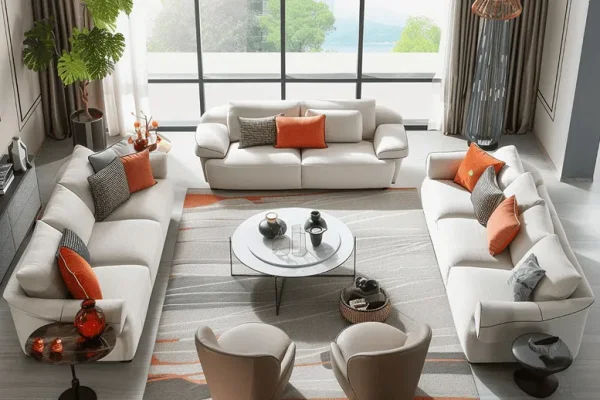
How to Style a Living Room with a Sectional Sofa
A sectional sofa is one of those purchases that seems simple until it’s actually sitting in your living room. In the furniture store, it looks perfect.
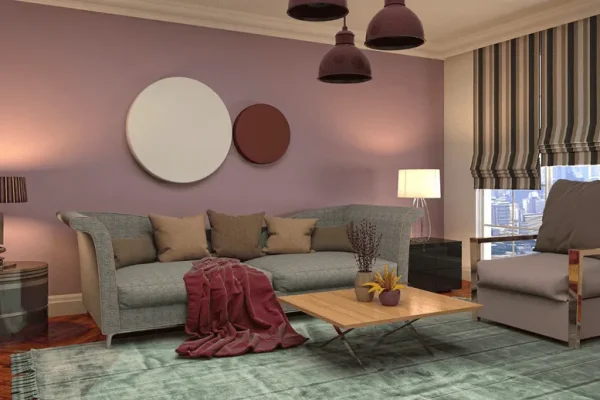
Best Living Room Color Combinations for a Cozy Home
The right color combination can completely change your living room. Here are cozy and stylish color ideas that make your space feel warm, balanced, and welcoming.
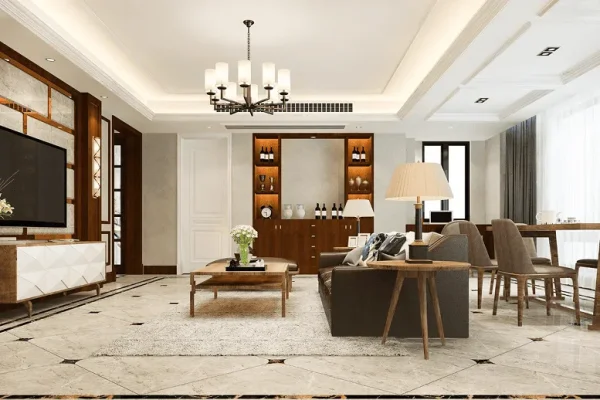
How to Make Your Home Look Expensive on a Budget
Want a premium-looking home without a big budget? These simple decor ideas help you upgrade your space with smart styling, better lighting, and elegant details.
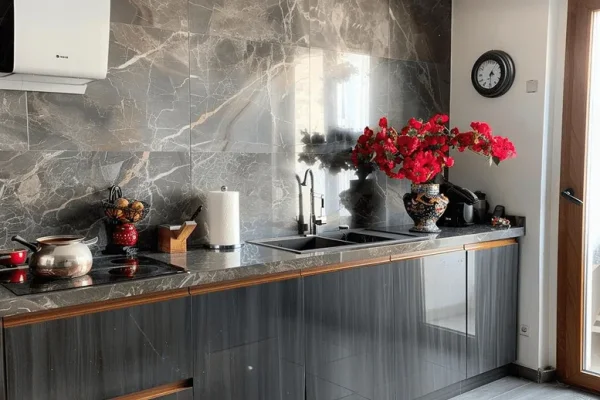
Kitchen Counter Decor Ideas - Breaking Down the Top 10 Ideas!
Some of the kitchen counter decorative ideas and inspirations that can be used to improve the countertop decor are mentioned here.
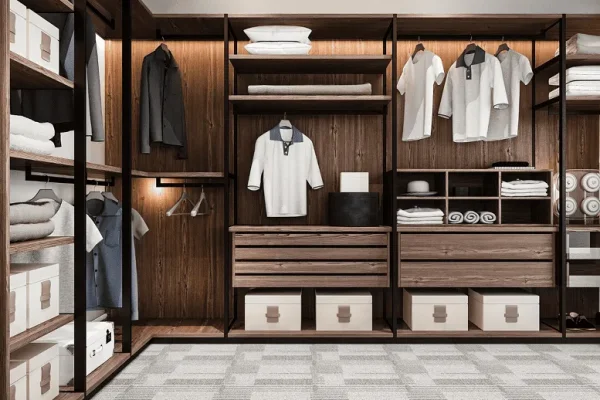
Wardrobe Design Ideas for Small Rooms - An Ultimate Guide!
This blog covers wardrobe design ideas for small bedrooms that you could use to maximise the use of the space you have.