How to Make Your Home Look Expensive on a Budget
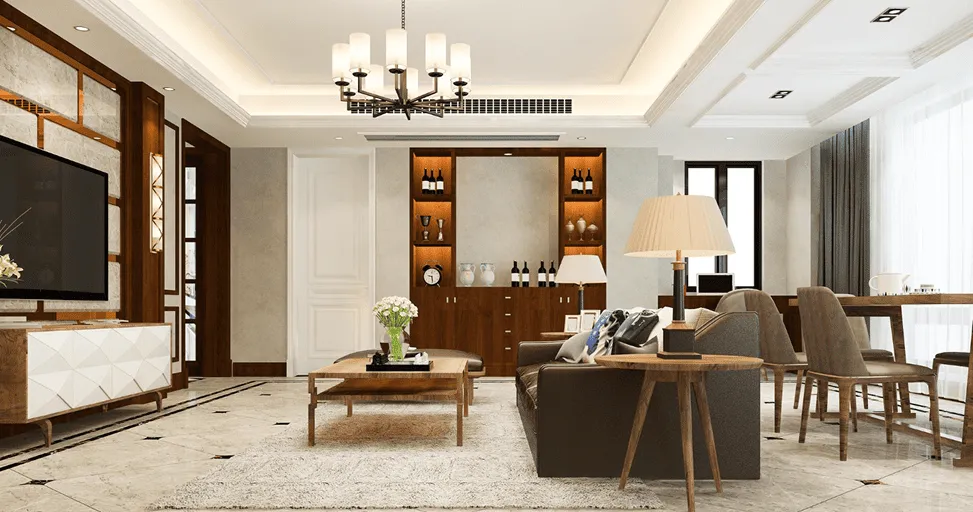
Most people assume that beautiful homes require big budgets. It’s easy to see why. Scrolling through social media, home design websites, or renovation shows can make it seem like everyone is spending thousands of dollars to create spaces that look like they belong in a magazine. Many times, in fact, things are very different.
Some of the most stylish homes don’t necessarily have expensive furniture or luxury decor. They’re simply designed thoughtfully. I’ve visited homes where the furniture wasn’t particularly expensive, yet the entire space felt elegant and well put together. I’ve also seen homes filled with costly items that somehow still felt cluttered and unfinished. That’s because making a home look expensive isn’t always about spending more money.
Often it’s the details that count. Small changes can completely change the feel of a room and you don’t have to renovate or go on a major shopping spree to do it. If you’re looking to update your home with a more sophisticated and upscale look without spending a fortune, here are some ideas to consider.
Start by Decluttering
This may not be the most exciting decorating advice, but it might be the most effective. Clutter has a way of making even beautiful spaces feel chaotic. When countertops are crowded, shelves are overflowing, and every corner is filled with random items, the room instantly feels smaller and less refined. One thing I’ve noticed in professionally designed homes is that they rarely feel overcrowded.
There’s space around the furniture, space for decorative pieces to stand out, and enough breathing room that the eye can move comfortably around the room.
Before buying anything new, spend some time removing what you don’t need. Sometimes the fastest way to improve a room is simply creating more space within it.
Focus on Lighting
Lighting can completely change how a home feels. A room with poor lighting often feels dull, no matter how beautiful the furniture may be. Meanwhile, a well-lit room immediately feels more inviting. You don’t need expensive chandeliers to make a difference.
You don’t need an expensive chandelier to improve your lighting. Sometimes, a couple of table lamps, a floor lamp in the right corner, warm-toned bulbs, or even a simple wall light can completely change the mood of a room.
All of these can help create a softer and more sophisticated atmosphere. I’ve found that relying solely on overhead lighting can make a room feel flat. Layering different light sources often creates a much warmer and more comfortable environment. It’s one of the easiest upgrades you can make.
Use Larger Decorative Pieces Instead of Many Small Ones
A common decorating mistake is filling a room with lots of small accessories. Tiny frames. Small ornaments. Numerous decorative items are scattered everywhere. The result can sometimes feel busy rather than elegant.
What’s interesting is that a few larger statement pieces often create a more expensive look.
-
A large mirror
-
A substantial piece of artwork
-
An oversized plant
-
A beautiful floor lamp
These items naturally draw attention without creating visual clutter. Sometimes less really does look more expensive.
Upgrade Soft Furnishings
You don’t need a new sofa to refresh a living room. Often, changing the accessories can make a bigger impact than people expect.
-
New cushions
-
A textured throw blanket
-
Updated curtains
-
Fresh bedding
These smaller upgrades can instantly improve the overall appearance of a room. I’ve noticed that quality fabrics tend to elevate a space quickly. Linen, cotton, velvet, and textured materials often create a more luxurious feel than overly shiny synthetic fabrics. The investment is usually far smaller than replacing furniture. Yet the difference can be surprisingly noticeable.
Choose a Consistent Color Palette
One thing that makes many expensive homes feel cohesive is color consistency. That doesn’t mean every room has to look identical. But when colors complement each other, the entire home tends to feel more intentional. I’ve seen rooms transformed simply by reducing the number of competing colors.
Neutral tones often work well because they create a calm backdrop for furniture and accessories. That doesn’t mean avoiding color completely. It simply means using it thoughtfully. A few carefully chosen accent colors often feel more sophisticated than a dozen different shades competing for attention.
Add Mirrors Where They Make Sense
Mirrors have been used in interior design for years because they work. They reflect light. They create the illusion of more space. And they often make rooms feel brighter. A well-placed mirror can have a surprisingly dramatic effect, particularly in smaller rooms.
What’s nice is that mirrors come in a wide range of styles and price points. You don’t need an expensive custom piece to achieve the effect. Sometimes a simple mirror with an attractive frame is all that’s needed.
Pay Attention to Hardware
This is one of those small details that people often overlook.
-
Cabinet handles
-
Drawer pulls
-
Door hardware
-
Bathroom fixtures
Because these items are used every day, they naturally attract attention. Updating outdated hardware can instantly make furniture, kitchens, and bathrooms feel more modern.
I’ve seen homeowners completely change the appearance of a room simply by replacing old hardware with something cleaner and more contemporary. The cost is often relatively modest compared to larger renovations. Yet the visual impact can be significant.
Bring Nature Indoors
Plants have a unique ability to make spaces feel more polished. A room often feels more complete when something is living inside it.
-
Large floor plants
-
Small potted plants
-
Fresh flowers
Even simple greenery can add texture, color, and warmth. I’ve noticed that many professionally styled homes include natural elements because they soften the space and make it feel more inviting. You don’t need dozens of plants. Just a few thoughtfully placed pieces can make a noticeable difference.
Keep Surfaces Clean and Simple
Luxury homes often share one common characteristic. They don’t feel overcrowded. Coffee tables aren’t packed with decorations. Kitchen counters aren’t covered with appliances. Nightstands aren’t overflowing with miscellaneous items. There’s a sense of simplicity. That simplicity allows the room itself to stand out.
When every surface is filled, nothing really gets noticed. Leaving some space can actually make a home feel more refined and expensive. It’s a surprisingly effective design trick that costs absolutely nothing.
Don’t Try to Copy Every Trend
One thing I’ve learned from watching home design trends come and go is that chasing every trend can become expensive very quickly. A home doesn’t need to include every popular style to look beautiful. In fact, some of the most elegant spaces feel timeless rather than trendy.
Instead of trying to recreate every design you see online, focus on creating a home that feels comfortable, cohesive, and personal. Those qualities tend to last much longer than temporary trends.
The Secret Isn’t Spending More
Perhaps the biggest misconception about interior design is that expensive-looking homes require expensive budgets. In many cases, that’s simply not true.
-
Thoughtful lighting
-
Clean spaces
-
Quality fabrics
-
Consistent colors
-
Natural textures
-
Simple styling
These things often have a greater impact than expensive furniture or luxury accessories. In the end, making a home look more expensive is rarely about how much money you spend. It’s about how intentionally you use the space you already have. And sometimes the most effective changes are also the most affordable ones.
Recent Blogs
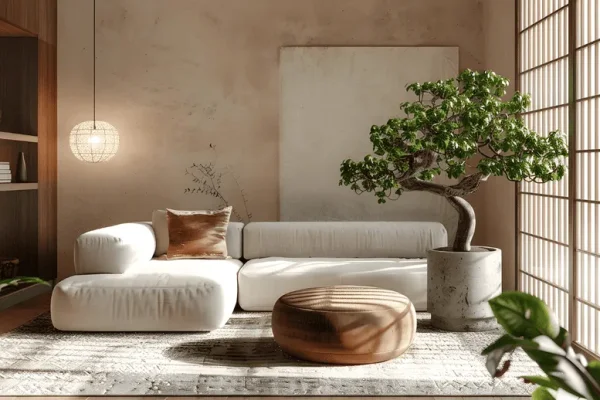
Japandi Interior Design Ideas for a Simple Luxury Look
Japandi design is perfect for creating a calm and simple luxury look. Learn how to use neutral colors, natural materials, clean lines, and soft textures.
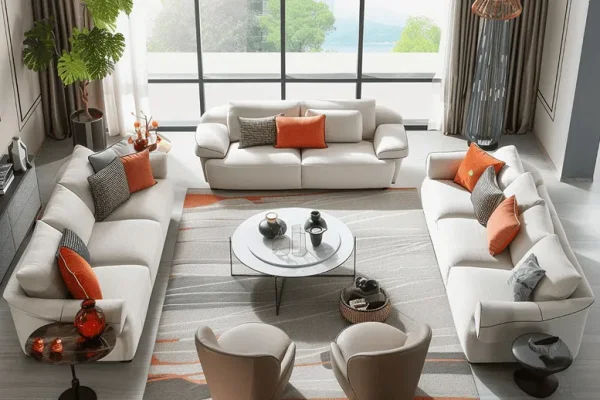
How to Style a Living Room with a Sectional Sofa
A sectional sofa is one of those purchases that seems simple until it’s actually sitting in your living room. In the furniture store, it looks perfect.
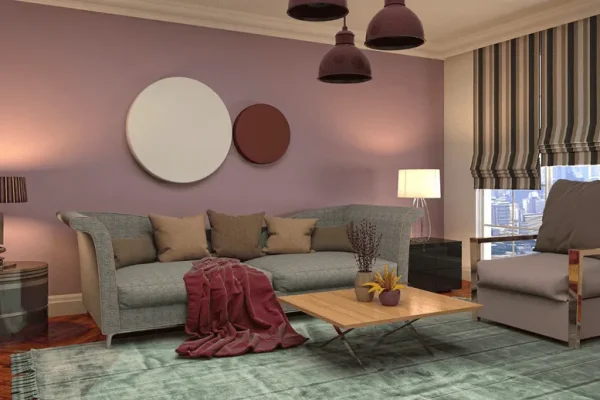
Best Living Room Color Combinations for a Cozy Home
The right color combination can completely change your living room. Here are cozy and stylish color ideas that make your space feel warm, balanced, and welcoming.
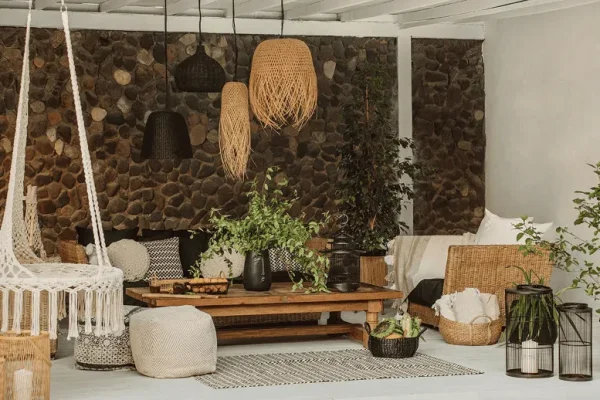
How to Decorate Your Home with Natural Textures
Natural textures can make any home feel warmer, softer, and more inviting. Learn easy ways to use wood, stone, fabric, and organic finishes in your decor.
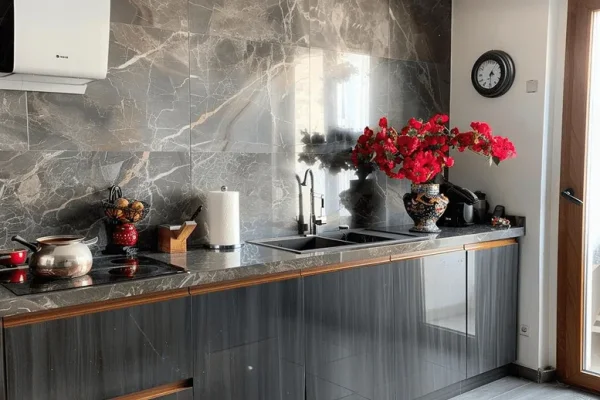
Kitchen Counter Decor Ideas - Breaking Down the Top 10 Ideas!
Some of the kitchen counter decorative ideas and inspirations that can be used to improve the countertop decor are mentioned here.
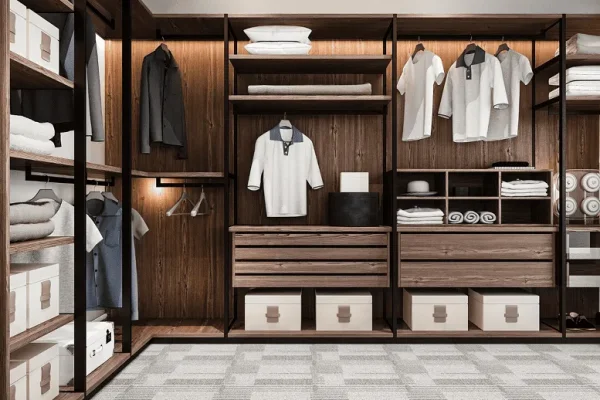
Wardrobe Design Ideas for Small Rooms - An Ultimate Guide!
This blog covers wardrobe design ideas for small bedrooms that you could use to maximise the use of the space you have.