Japandi Interior Design Ideas for a Simple Luxury Look
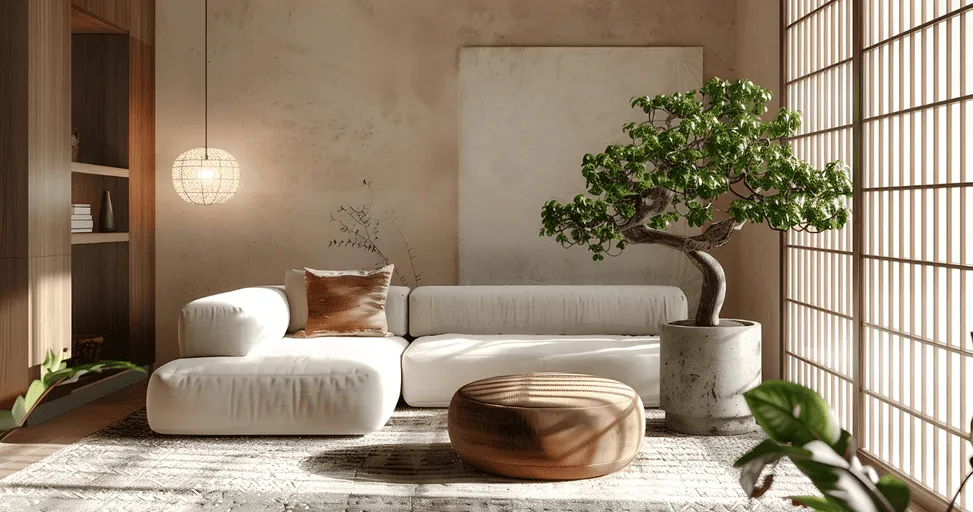
Home design trends Home design trends come and go. One year, it’s all about bold colors. The next year, everyone seems obsessed with a completely different style.come and go.
One year, it’s all about bold colors.
The next year, everyone seems obsessed with a completely different style.
But every once in a while, a design approach comes along that feels less like a trend and more like a way of living.
That’s how I feel about Japandi design.
If you’ve spent any time looking at home inspiration online, you’ve probably come across the term.
At first, it might sound like another complicated design concept created by interior designers.
In reality, it’s surprisingly simple.
Japandi combines the clean simplicity of Japanese interiors with the warmth and comfort often found in Scandinavian homes.
The result is a space that feels calm, uncluttered, and elegant without looking overly decorated.
What I like most about Japandi design is that it doesn’t rely on expensive furniture or flashy décor to make an impression.
Instead, it focuses on thoughtful choices and creating a home that feels peaceful to live in.
And honestly, that’s something many of us could use a little more of.
Start by Removing What You Don’t Need
Whenever people think about redesigning a room, their first instinct is often to buy something.
Japandi design often starts with the opposite approach.
Removing things.
I’ve noticed that many homes don’t necessarily have a design problem.
They have a clutter problem.
One of the easiest ways to achieve a Japandi-inspired look is to simplify the room first.
Take a step back and ask yourself what actually adds value to the space.
You might be surprised how much calmer a room feels when there’s simply less in it.
Choose Quality Over Quantity
One thing that stands out in Japandi interiors is that every item seems intentional.
There aren’t dozens of decorative objects scattered around the room.
Instead, a few carefully selected pieces do most of the work.
I’ve found that homes often feel more luxurious when they contain fewer, better-chosen pieces rather than lots of inexpensive accessories.
It’s not about spending more money.
It’s about being more selective.
Use Warm Neutral Colors
The color palette is one of the reasons Japandi spaces feel so relaxing.
You won’t usually find bright, attention-grabbing colors dominating the room.
Instead, you’ll see shades like:
Japandi interiors usually revolve around warm whites, creams, beiges, soft grays, taupe shades, and other muted earth tones.
Together, these colors create a calm backdrop that feels easy to live with.
These colors create a calm backdrop that allows furniture and natural materials to take center stage.
What’s interesting is that neutral doesn’t have to mean boring.
When different textures are layered together, even simple colors feel rich and inviting.
Bring Natural Materials Into the Space
Natural materials are at the heart of Japandi design.
Wood is particularly important.
Light oak, walnut, and ash are all commonly used because they add warmth without making a space feel heavy.
Natural wood tones instantly add warmth to a room.
You’ll often see wood paired with materials such as linen, cotton, stone, bamboo, and ceramic.
The combination creates a space that feels connected to nature.
I’ve noticed that natural materials age beautifully, too.
Small imperfections and signs of use often make them more attractive over time rather than less.
That’s something many modern materials struggle to achieve.
Let Natural Light Do the Work
One thing you’ll notice about many Japandi-inspired homes is how bright they feel.
Not because they’re filled with artificial lighting.
Because they make the most of natural light.
Heavy curtains are often replaced with lighter fabrics.
Windows are allowed to remain a feature rather than being hidden.
The goal is to create an open, airy atmosphere.
Even if your home doesn’t receive abundant sunlight, maximizing the light you do have can make a noticeable difference.
A brighter room often feels larger, calmer, and more welcoming.
Focus on Comfort Rather Than Perfection
One misconception people have about minimalist design is that it feels cold or uncomfortable.
Japandi takes a different approach.
Yes, the spaces are uncluttered.
But they’re also comfortable.
A soft throw blanket, textured cushions, warm lighting, and comfortable seating can make all the difference.
These simple details stop a room from feeling cold or overly minimal.
These details help prevent the room from feeling overly formal.
I’ve always felt that the best homes are the ones people actually enjoy living in.
Not the ones that look perfect but feel untouchable.
Japandi design embraces that idea beautifully.
Decorate with Purpose
In some homes, decoration feels almost random.
Items are added simply because there is space to fill.
Japandi design takes a more intentional approach.
Decorative pieces are chosen because they contribute something meaningful to the room.
-
A handcrafted bowl
-
A ceramic vase
-
A simple piece of artwork
-
A plant
There is usually a reason each item exists.
The result feels thoughtful rather than crowded.
And because fewer objects are competing for attention, the room naturally feels more sophisticated.
Add Texture Instead of More Color
When people remove bright colors from a room, they sometimes worry the space will feel flat.
That’s where texture becomes important.
-
Linen curtains
-
Woven baskets
-
Wood grain
-
Ceramic surfaces
-
Natural rugs
These elements create visual interest without relying on bold colors.
I’ve noticed that some of the most beautiful Japandi interiors use surprisingly few colors.
Yet they never feel boring because the textures do so much of the work.
It’s a subtle design trick, but a powerful one.
Bring Nature Indoors
Plants fit naturally into Japandi spaces.
Not because they’re trendy.
Because they help soften the room and create a connection to the outdoors.
You don’t need dozens of plants.
A few carefully chosen ones are often enough.
- A small tree in a corner.
- A simple potted plant on a shelf.
- Some greenery near a window.
These additions bring life into the space without creating clutter.
And they complement the natural materials already present throughout the room.
Don’t Chase Perfection
Perhaps the most appealing thing about Japandi design is that it doesn’t demand perfection.
In fact, some of its beauty comes from imperfection.
-
Natural wood grain
-
Handmade ceramics
-
Textured fabrics
These elements often contain small variations that make them unique.
The goal isn’t creating a showroom.
It’s creating a home.
A place that feels peaceful.
And genuinely enjoyable to spend time in.
Simple Luxury Isn’t About Spending More
When people hear the phrase “luxury interior,” they often imagine expensive furniture and dramatic design features.
Japandi offers a different perspective.
That’s why this design style continues to attract so many homeowners.
It isn’t trying to impress people with excess.
It’s creating an environment that feels balanced and comfortable.
At last, that’s what simple luxury is really about.
Not having more.
But creating a home where everything feels intentional, peaceful, and beautifully lived in.
Recent Blogs
How to Style a Living Room with a Sectional Sofa
A sectional sofa is one of those purchases that seems simple until it’s actually sitting in your living room. In the furniture store, it looks perfect.
Best Living Room Color Combinations for a Cozy Home
The right color combination can completely change your living room. Here are cozy and stylish color ideas that make your space feel warm, balanced, and welcoming.
How to Decorate Your Home with Natural Textures
Natural textures can make any home feel warmer, softer, and more inviting. Learn easy ways to use wood, stone, fabric, and organic finishes in your decor.
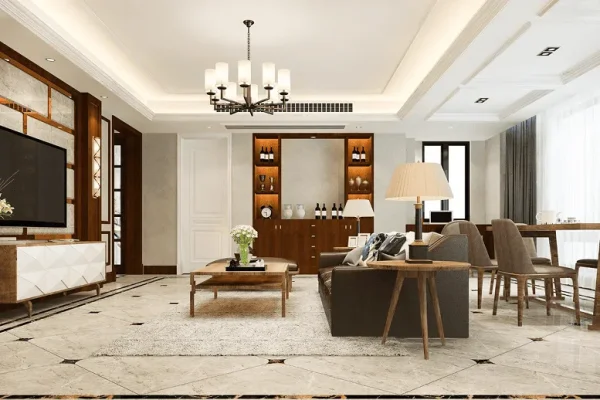
How to Make Your Home Look Expensive on a Budget
Want a premium-looking home without a big budget? These simple decor ideas help you upgrade your space with smart styling, better lighting, and elegant details.
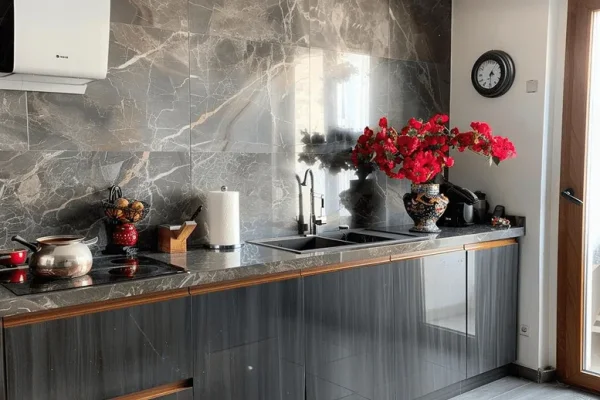
Kitchen Counter Decor Ideas - Breaking Down the Top 10 Ideas!
Some of the kitchen counter decorative ideas and inspirations that can be used to improve the countertop decor are mentioned here.
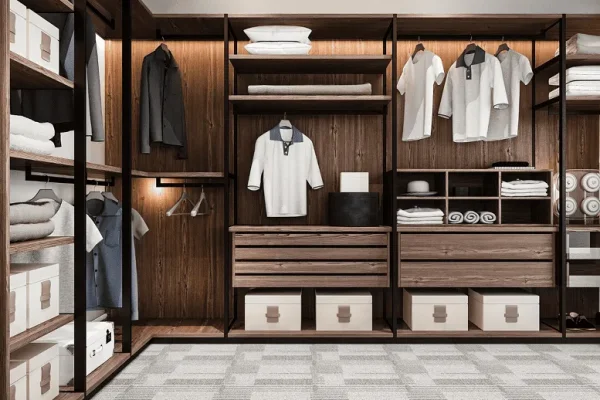
Wardrobe Design Ideas for Small Rooms - An Ultimate Guide!
This blog covers wardrobe design ideas for small bedrooms that you could use to maximise the use of the space you have.